- English
- Español
- Português
- русский
- Français
- 日本語
- Deutsch
- tiếng Việt
- Italiano
- Nederlands
- ภาษาไทย
- Polski
- 한국어
- Svenska
- magyar
- Malay
- বাংলা ভাষার
- Dansk
- Suomi
- हिन्दी
- Pilipino
- Türkçe
- Gaeilge
- العربية
- Indonesia
- Norsk
- تمل
- český
- ελληνικά
- український
- Javanese
- فارسی
- தமிழ்
- తెలుగు
- नेपाली
- Burmese
- български
- ລາວ
- Latine
- Қазақша
- Euskal
- Azərbaycan
- Slovenský jazyk
- Македонски
- Lietuvos
- Eesti Keel
- Română
- Slovenski
- मराठी
- Srpski језик

What is an insulin syringe, and how do you use an insulin syringe
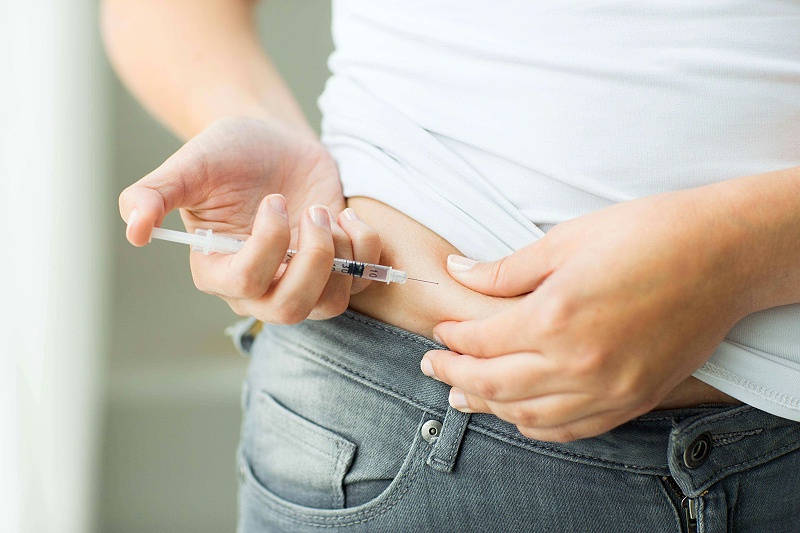
Insulin syringes are injection tools specifically designed for people with diabetes. They help control the dose accurately, reduce pain, and ensure insulin is absorbed effectively. The syringes are marked in insulin 'units' rather than milliliters, have very fine and short needles, need to be used with different types of insulin, and shouldn’t be reused to avoid infection or dosing mistakes.
一、Structural Features of Insulin Syringes
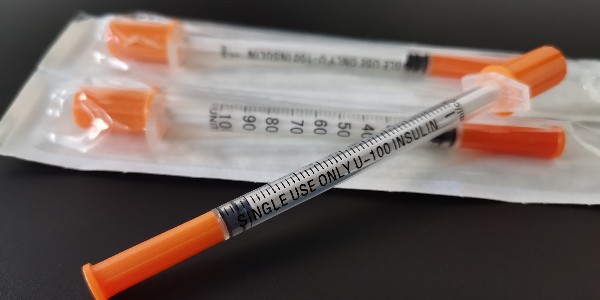
1. Accurate Unit Markings: Marked in 'units' (U), usually 1U equals 0.01ml, making it easy to read the insulin dose directly—especially helpful for patients who need small dose adjustments, like children or sensitive individuals.
2. Needle Design:
Length: Mostly 4-8mm, reaching the subcutaneous fat layer where insulin is absorbed (like the abdomen or outer thigh), which reduces the risk of injecting into muscle.
Gauge: Needle diameter is usually 31G-33G (the higher the G, the thinner the needle), which helps minimize the pain from injections.
3.Volume Options: Commonly 0.3ml (30U) and 0.5ml (50U), catering to different insulin dose needs.
二、Correct Usage Steps and Precautions
1. Preparation Before Use:
Check the type of insulin (like rapid-acting, intermediate, or premixed) and make sure the syringe matches the insulin concentration (like U-100). If using intermediate or premixed insulin, gently roll the vial to mix it—avoid shaking to prevent bubbles.
2. Injection Technique:
Site Rotation: Keep at least 2.5 cm between injection sites. Avoid injecting repeatedly in the same area to prevent fat buildup.
Injection Angle: Choose vertical (for those with more body fat) or 45-degree (for thinner people) angles to make sure it goes under the skin properly.
Injection Speed: Push the insulin slowly and hold the needle for 10 seconds before pulling it out to prevent the liquid from coming back out.
3. Do Not Reuse: Needles are for single use only. Reusing can dull the needle (causing more pain), risk contamination, or lead to inaccurate dosing.
三、Storage and Disposal
1. Storage conditions: Unopened syringes should be stored at room temperature away from light (avoid high temperatures or freezing). Opened ones can be carried with you, but keep them out of direct sunlight.
2.Disposal method: After use, needles should be put into a designated sharps container. If there isn't one, you can use a sturdy plastic bottle (like a water bottle), seal it, label it as 'medical waste,' and dispose of it according to local medical waste regulations.
四、Frequently Asked Questions
What to do if there’s significant pain?
It could be due to the needle being inserted at too steep an angle, reusing the needle, or hardened fat at the injection site. It’s recommended to use a finer needle and rotate injection sites carefully.
Leakage after injection?
Pulling the needle out too quickly or not waiting long enough might cause medication to flow back. Before removing the needle, pause for 10 seconds and gently press the injection site.
Traveling with it: You should carry it with you and avoid checking it in luggage (low temperatures or high pressure could affect the needle’s seal).
Using an insulin injector correctly is key to controlling blood sugar. It’s recommended to get regular guidance from healthcare professionals to ensure safe and proper use.