- English
- Español
- Português
- русский
- Français
- 日本語
- Deutsch
- tiếng Việt
- Italiano
- Nederlands
- ภาษาไทย
- Polski
- 한국어
- Svenska
- magyar
- Malay
- বাংলা ভাষার
- Dansk
- Suomi
- हिन्दी
- Pilipino
- Türkçe
- Gaeilge
- العربية
- Indonesia
- Norsk
- تمل
- český
- ελληνικά
- український
- Javanese
- فارسی
- தமிழ்
- తెలుగు
- नेपाली
- Burmese
- български
- ລາວ
- Latine
- Қазақша
- Euskal
- Azərbaycan
- Slovenský jazyk
- Македонски
- Lietuvos
- Eesti Keel
- Română
- Slovenski
- मराठी
- Srpski језик

A Guide to Surgical Sutures: Types and Uses
Surgical sutures are medical devices used to close wounds and repair tissues, with surgeons selecting the appropriate type based on the specific clinical situation.
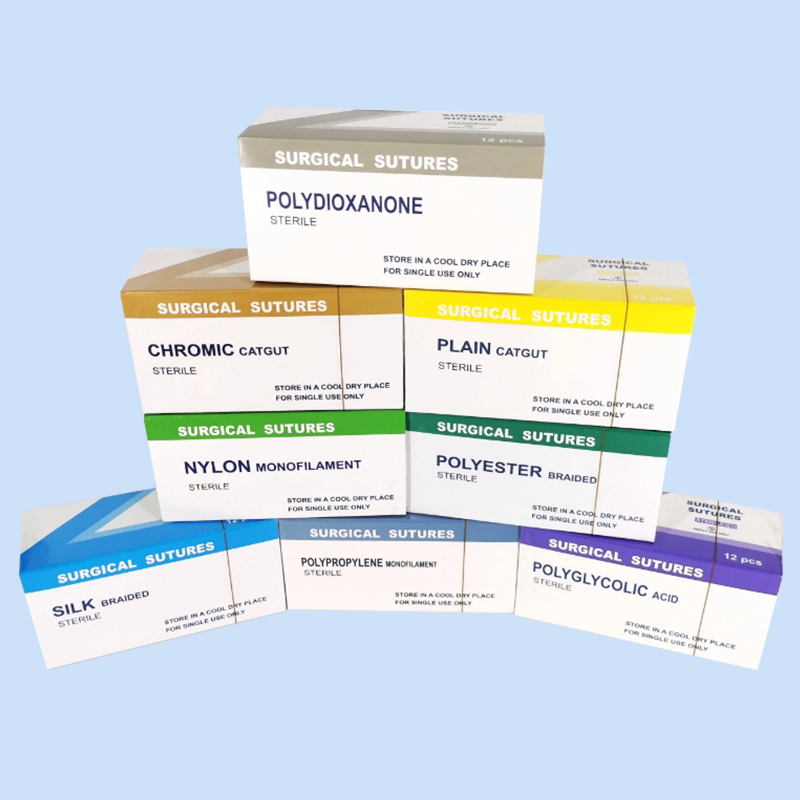
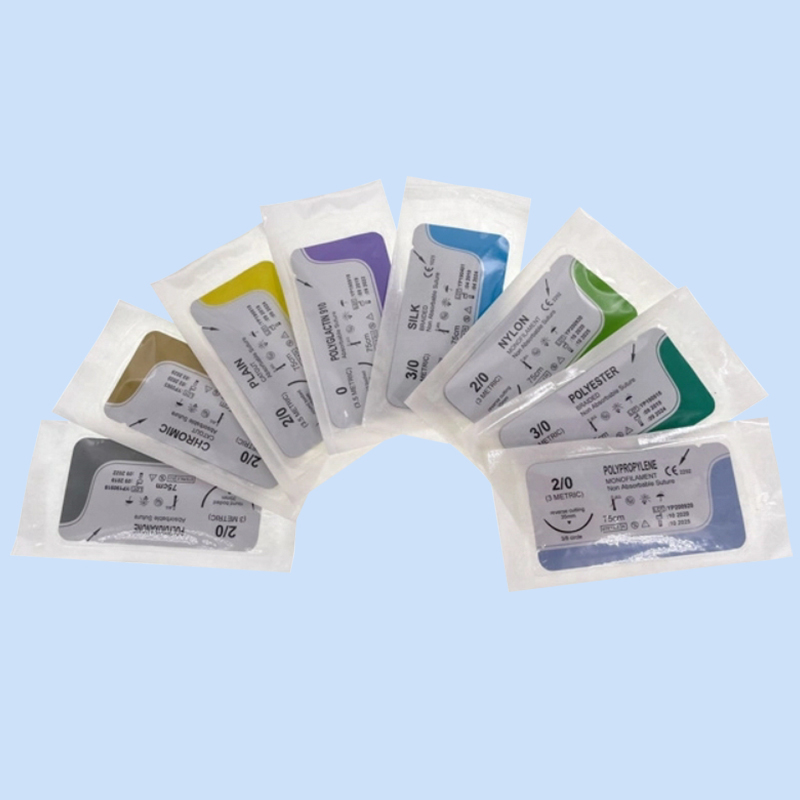
Sutures fall into two main categories based on absorption. Absorbable sutures, made from materials like polyglactin, break down naturally in the body and do not require removal, making them ideal for deep tissues such as muscles and internal organs. Non-absorbable sutures, such as nylon or polypropylene, must be manually removed and are typically used for skin closure and cardiovascular procedures requiring long-term support.
Structurally, monofilament sutures consist of a single strand, offering a smooth surface that resists bacteria, making them suitable for infection-prone surgeries. Multifilament sutures are braided for greater strength and flexibility, providing excellent handling for general surgery and orthopedics, though they may harbor bacteria.
Modern surgical practice demands precise selection. Delicate procedures like eye surgery require ultra-fine sutures, while orthopedics needs heavy, high-tensile options. Advanced sutures now feature antimicrobial coatings to prevent infection, with ongoing research into "smart" sutures that monitor healing and deliver drugs.
Post-operative care varies by type. Non-absorbable sutures require timely removal, ranging from 3-5 days for facial wounds to 10-14 days for joints. Absorbable sutures dissolve over several weeks, with proper nutrition supporting the healing process. Understanding these distinctions reveals the precision behind this fundamental medical tool.