- English
- Español
- Português
- русский
- Français
- 日本語
- Deutsch
- tiếng Việt
- Italiano
- Nederlands
- ภาษาไทย
- Polski
- 한국어
- Svenska
- magyar
- Malay
- বাংলা ভাষার
- Dansk
- Suomi
- हिन्दी
- Pilipino
- Türkçe
- Gaeilge
- العربية
- Indonesia
- Norsk
- تمل
- český
- ελληνικά
- український
- Javanese
- فارسی
- தமிழ்
- తెలుగు
- नेपाली
- Burmese
- български
- ລາວ
- Latine
- Қазақша
- Euskal
- Azərbaycan
- Slovenský jazyk
- Македонски
- Lietuvos
- Eesti Keel
- Română
- Slovenski
- मराठी
- Srpski језик

How to Use Gauze Bandages Effectively for Medical Needs?
Abstract: Gauze bandages are a fundamental tool in medical care, emergency treatment, and wound management. This guide provides a comprehensive overview of gauze bandages, their specifications, practical usage, and maintenance. Readers will learn how to select, apply, and care for gauze bandages efficiently, including answers to frequently asked questions.
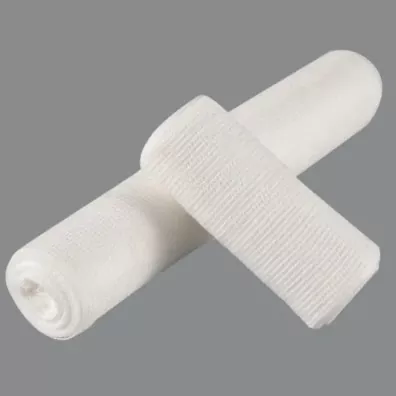
Table of Contents
- 1. Introduction to Gauze Bandages
- 2. Types of Gauze Bandages and Their Usage
- 3. How to Select and Maintain Gauze Bandages
- 4. Common Questions About Gauze Bandages
- 5. Conclusion and Brand Information
1. Introduction to Gauze Bandages
Gauze bandages are versatile medical supplies designed for wound protection, absorption of exudates, and securing dressings. They are widely used in hospitals, clinics, and home first aid kits. These bandages are typically made from cotton or synthetic fibers, offering both breathability and softness. The primary focus of this article is to provide detailed guidance on how to choose and use gauze bandages safely and effectively.
Gauze bandages can vary in width, length, weave density, and sterility. Understanding these parameters is crucial for optimal wound care and patient safety.
| Parameter | Specification |
|---|---|
| Material | 100% Cotton / Cotton Blend |
| Weave | Plain, Open, or Knitted |
| Width | 2 cm, 5 cm, 7.5 cm, 10 cm |
| Length | 1 m, 5 m, 10 m, 15 m |
| Sterility | Sterile / Non-sterile Options |
| Packaging | Individually Wrapped or Boxed |
| Color | White or Natural Cotton |
2. Types of Gauze Bandages and Their Usage
2.1 Sterile vs Non-Sterile Gauze Bandages
Sterile gauze bandages are essential for open wounds to prevent infections, while non-sterile versions are typically used for padding, securing dressings, or non-critical injuries. Understanding when to use each type is crucial for effective wound management.
2.2 Rolled Gauze Bandages
Rolled gauze is convenient for wrapping around limbs, joints, or surgical sites. They provide adjustable compression and can conform to irregular body parts. This type is commonly used in both professional healthcare settings and emergency first aid.
2.3 Adhesive Gauze Bandages
These bandages combine gauze with a gentle adhesive for smaller wounds or abrasions. They are ideal for quick wound coverage without the need for additional securing materials.
2.4 How to Apply Gauze Bandages
Proper application involves cleaning the wound, choosing the right size and type, and wrapping without excessive tightness to avoid restricting blood flow. Secure the end with medical tape or clips to maintain placement.
3. How to Select and Maintain Gauze Bandages
3.1 Selecting Gauze Bandages
Consider the following factors when choosing a gauze bandage:
- Wound size and location
- Required absorption capacity
- Need for sterility
- Patient comfort and skin sensitivity
- Ease of application and removal
3.2 Storage and Maintenance
Gauze bandages should be stored in a clean, dry environment, away from moisture and direct sunlight. Sterile packs must remain sealed until use. Regularly check for damage or contamination, especially if stored for extended periods.
3.3 Safety Precautions
Avoid reusing single-use gauze to prevent infection. Dispose of used bandages properly and follow local medical waste regulations.
4. Common Questions About Gauze Bandages
Q1: How often should a gauze bandage be changed?
A1: The frequency of changing a gauze bandage depends on wound type and exudate level. Typically, for minor wounds, it is recommended to change the bandage every 24 hours, while heavily exuding wounds may require changes 2–3 times daily. Always monitor for signs of infection or saturation.
Q2: Can gauze bandages be used on burns?
A2: Yes, sterile gauze can be used on burns to protect the area and absorb exudates. It is important to use a non-adherent gauze or apply a thin layer of antibiotic ointment to prevent sticking and further tissue damage.
Q3: How to secure a gauze bandage effectively?
A3: Secure gauze bandages with medical tape, clips, or adhesive strips, ensuring it is snug but not too tight to impede circulation. Check the bandage periodically and rewrap if it becomes loose or saturated.
Q4: Is it safe to use gauze bandages on sensitive skin?
A4: Generally, cotton gauze is gentle on sensitive skin. For patients with allergies or skin sensitivities, choose hypoallergenic options and avoid prolonged use without monitoring.
5. Conclusion and Brand Information
Gauze bandages remain a fundamental component of medical care, providing protection, absorption, and support for various wounds and injuries. Selecting the correct type, maintaining sterility, and applying the bandage correctly are key to effective wound management. Haorun offers high-quality gauze bandages that meet professional standards for medical, emergency, and home use.
For detailed product information, bulk purchases, or specialized requirements, contact us today to receive professional guidance and support tailored to your needs.