- English
- Español
- Português
- русский
- Français
- 日本語
- Deutsch
- tiếng Việt
- Italiano
- Nederlands
- ภาษาไทย
- Polski
- 한국어
- Svenska
- magyar
- Malay
- বাংলা ভাষার
- Dansk
- Suomi
- हिन्दी
- Pilipino
- Türkçe
- Gaeilge
- العربية
- Indonesia
- Norsk
- تمل
- český
- ελληνικά
- український
- Javanese
- فارسی
- தமிழ்
- తెలుగు
- नेपाली
- Burmese
- български
- ລາວ
- Latine
- Қазақша
- Euskal
- Azərbaycan
- Slovenský jazyk
- Македонски
- Lietuvos
- Eesti Keel
- Română
- Slovenski
- मराठी
- Srpski језик

A Clinical Overview of Single-Use Latex and Silicone Urinary Catheters
The selection of an appropriate urinary catheter is a fundamental clinical decision that significantly influences patient comfort, safety, and overall outcomes. Among the most common options are single-use catheters made from latex and silicone. While both serve the essential purpose of draining the bladder, their distinct material compositions lead to critical differences in performance, biocompatibility, and long-term use. A thorough understanding of these characteristics is vital for healthcare professionals to make informed, patient-centered choices that optimize care.
The primary distinction between these catheters lies in their core material properties. Latex catheters, manufactured from natural rubber, are traditionally known for their exceptional softness and high elasticity. This flexibility allows them to conform gently to the urethral anatomy, which can provide a comfortable fit for many patients. In contrast, silicone catheters are made from a synthetic polymer, offering a different profile. While also soft, their surface is inherently smoother and more lubricious, reducing friction during insertion and throughout dwell time. Furthermore, silicone catheters maintain their shape more consistently within the urethra and are less prone to kinking or collapsing, which helps ensure uninterrupted drainage.
A paramount consideration in catheter selection is biocompatibility, specifically the risk of allergic reactions. This is where silicone catheters hold a significant advantage. Latex catheters pose a well-documented risk of triggering Type I hypersensitivity reactions due to the proteins found in natural rubber. These reactions can range from localized irritation and contact dermatitis to severe, systemic anaphylaxis. Consequently, silicone catheters, being biologically inert, have become the gold standard for patients with a known or suspected latex allergy, offering a much safer alternative with an extremely low incidence of allergic responses.
Another critical factor is the prevention of Catheter-Associated Urinary Tract Infections (CAUTIs), a major concern in healthcare settings. The surface characteristics of the catheter material play a crucial role in bacterial colonization. The ultra-smooth, non-stick surface of silicone catheters significantly reduces the ability of bacteria to adhere and form resilient biofilms compared to the relatively more porous surface of latex. This inherent property of silicone directly contributes to a lowered risk of infection. Additionally, some silicone catheters are available with integrated antimicrobial coatings, such as silver alloy, providing an extra layer of protection against pathogens.
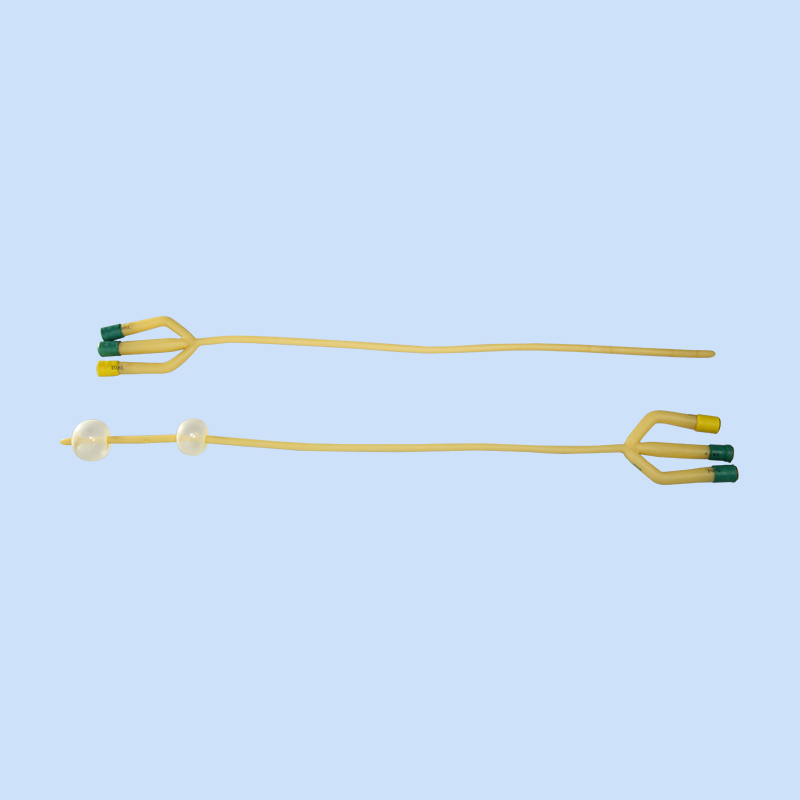
Finally, the aspects of durability and cost must be balanced against clinical needs. Latex catheters are undeniably more economical, making them a practical and cost-effective solution for short-term use or in resource-limited settings. However, their material can degrade over prolonged exposure to urine, potentially leading to swelling and weakening of the tube. For long-term catheterization, silicone is demonstrably superior. Its chemical stability allows it to remain in situ for extended periods—often up to twelve weeks—without material deterioration, reducing the frequency of traumatic catheter changes and potentially lowering the overall burden of care.
In conclusion, the choice between a latex and a silicone catheter is not one-size-fits-all but should be the result of a careful clinical assessment. For brief, uncomplicated applications where cost is a primary driver and no allergy concerns exist, a latex catheter may be sufficient. However, for patients requiring long-term management, those with a history of sensitivities, or those identified as being at high risk for infection, the enhanced safety, comfort, and durability of a silicone catheter often justify its higher initial investment, ultimately supporting better patient outcomes and quality of life.
Previous:Uses of Porous capsicum plaster